
What are the differences between OER and Open Access?
Well, it starts with copyright.
Open Access (OA) materials still carry copyright. However, they are often free to read. Open access allows more people to obtain information they might not otherwise be able to access due to financial barriers—it does not allow remix, tweak, or add to the work. A good example of an open access platform is JSTOR. The JSTOR website offers open journal articles all over the world. These articles are free to read; they are scholarly peer-reviewed articles. However, like many other open access platforms, JSTOR does have subscription-based content.
In contrast, Open Educational Resources (OER) carry a Creative Commons (CC) license. OER often consist of learning materials, such as textbooks. These works can be adapted and remixed based on the CC license attributed to the published title.
“OER are always Open Access, but not all OA materials are considered OER.” – URochester River Campus Libraries
Understanding UNG Press’s
CC Attribution–ShareAlike Copyright Licensing
UNGP offers a wide variety of Open Textbooks, which are available for download from the UNG Press Store. We license our OER under a Creative Commons Attribution–ShareAlike 4.0 International License. Instructors may use the material as long as they follow the license’s terms. As explained on the copyright pages of UNGP’s Open Textbooks, instructors must “credit the original source for the creation and license the new creation under identical terms.”
ShareAlike terms require that any adaptations be distributed under the same license as the original (Creative Commons). Attribution terms require users to credit the original creator and be transparent about any changes made.
It is important to note that although some CC licenses prohibit commercial use, this particular license does not. Users may employ the material commercially, following the license guidelines. Keep in mind that other university presses and OER distributors may use different licensing—commercially or non-commercially.
The Benefits of Copyright Licensing in UNG Press OER for Instructors
This licensing model, unlike traditional copyright, allows instructors to remix and curate educational resources. OER are adaptable, giving educators more flexibility in their pedagogy. Though open access journals and websites are helpful, their copyright restrictions prevent users from modifying content. While you may access and cite open access material, you cannot alter it to fit your curriculum.
OER serve as a pedagogical tool not only at UNG but globally. Instructors can adapt the material by adding course-specific activities. Chapters in an OER can be rearranged, removed, or expanded to better align with course content (OER Commons). OER function as continually updated documents; these resources can incorporate new data rapidly, ensuring long-term relevance.
OER positively influence student success. Because textbooks are accessible in both format and affordability, instructors can better accommodate student needs at the local level. The licensing encourages innovation in multimodal pedagogy.
Some of UNG Press’s most popular Open Educational Resources are:
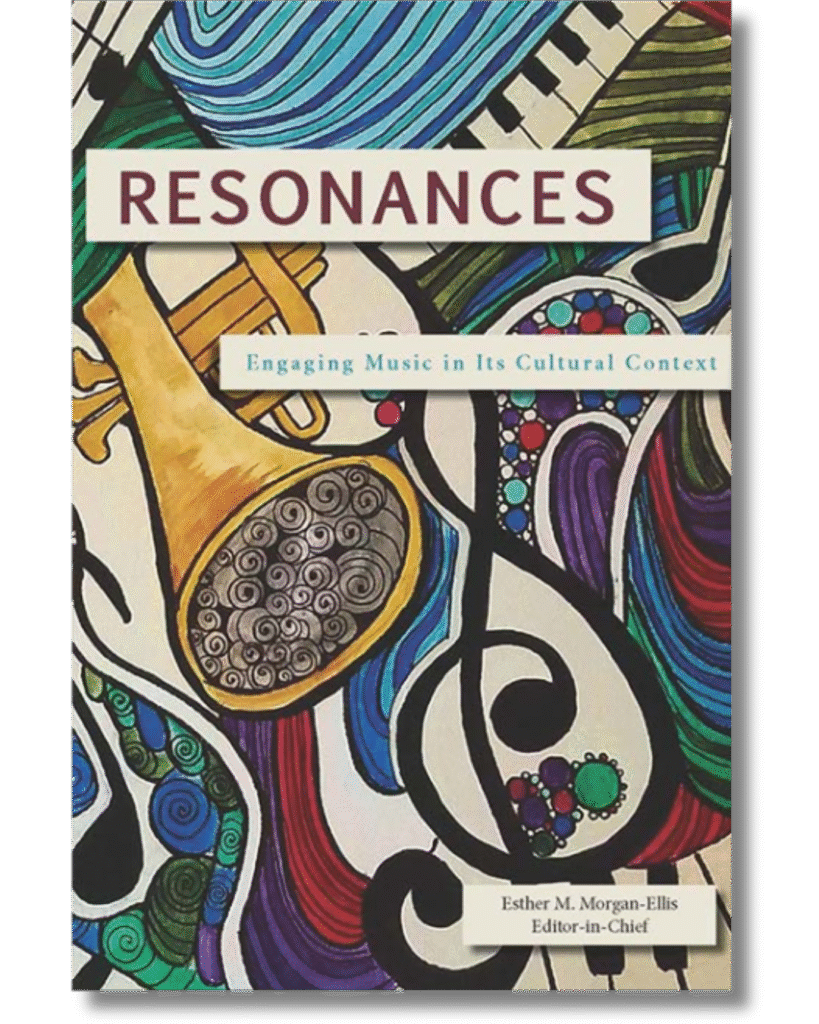
Resonances: Engaging Music in Its Cultural Context
Resonances introduces music from classical, popular, and folk traditions worldwide, exploring how people use music in storytelling, politics, spirituality, and more.
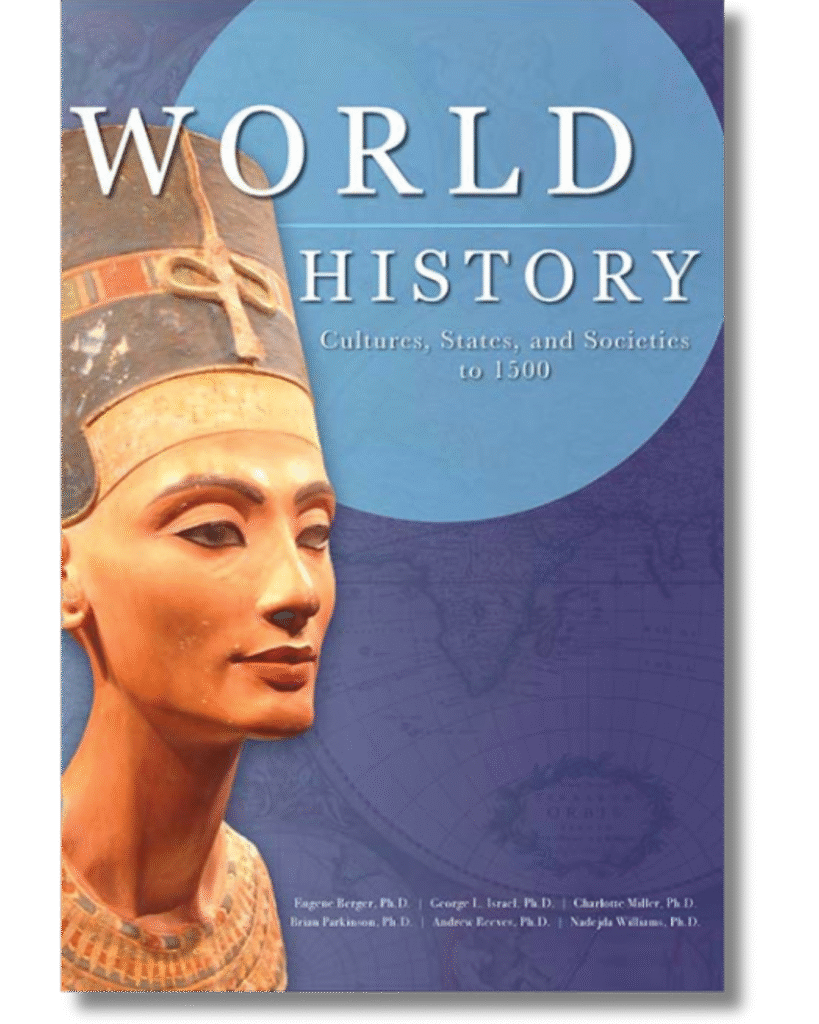
World History: Cultures, States, and Societies to 1500
World History: Cultures, States, and Societies to 1500 surveys human history from prehistory to 1500, exploring civilizations across the globe with maps, images, and learning tools that enhance understanding and critical engagement.
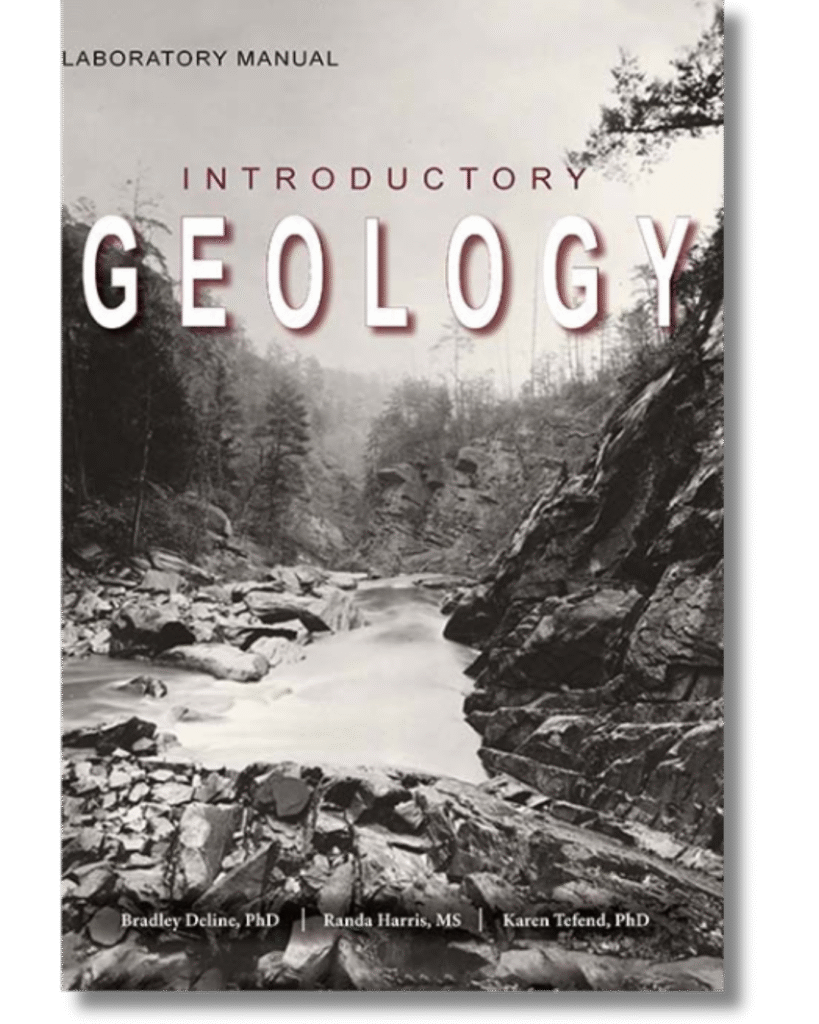
Laboratory Manual for Introductory Geology
Laboratory Manual for Introductory Geology guides students through the scientific methods and core concepts of geology, offering clear explanations, exercises, and hands-on applications.
Our OER textbooks are available via the UNG Press Bookstore. Instructor resources are also available upon request. To request instructor ancillaries, please fill out the instructor resources request form.
Final Reflection: What Copyright Means for OER
Open access and open educational resources support increased access to knowledge. Open access focuses on making research freely available, while OER provide no- to low-cost instructional materials that instructors can adapt. As higher education continues to embrace the sustainability and flexibility of OER, opportunities for student success expand.
Leave a Reply